


Let's Talk
We'd love to hear about your project. Book a time that works for you and we'll take care of the rest.
- Commercial projects
- Education & institutions
- Partnerships & resellers
- General inquiries
We'd love to hear about your project. Book a time that works for you and we'll take care of the rest.

Contents
Most people assume vertical farms failed because the technology couldn't deliver. Or because energy prices made indoor growing too expensive to justify. Conner Tidd, CEO and co-founder of Just Vertical, doesn't buy either explanation. Why vertical farms failed has far less to do with the technology than with two choices operators made at the outset: how big they built their first farm, and how they financed it. If you get those two wrong, the best equipment in the world won't save you.
That take comes from someone who's lived through the shakeout rather than watched it from a headline. Conner spent years working in large-scale agriculture before co-founding Just Vertical, where he saw firsthand how conventional food systems break down for the people who depend on them. He's since been recognized as a Clean50 emerging leader and named a Top 30 Under 30 sustainability and human rights leader. His read on why vertical farms failed is rooted in operating experience, and this series will take you through his expertise.
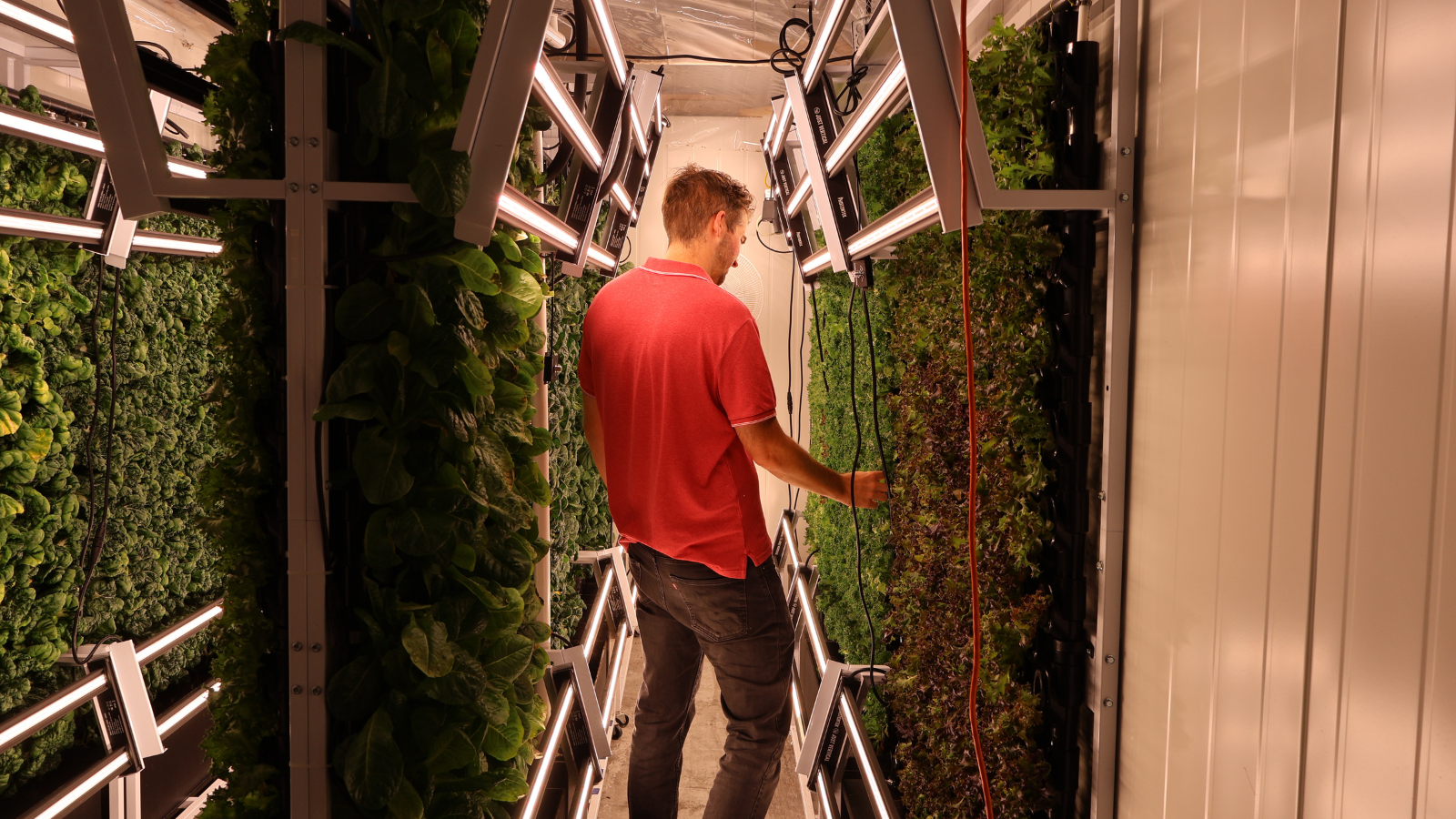
Why vertical farms failed traces back to a decision made at the outset, when the farm still existed only as a plan on paper. Conner doesn't point to weather, grid costs, or crop selection. He points to scale. As Conner Tidd puts it:
"The biggest challenge was that most vertical farms were only building one or two farms and building them big. That means they were essentially paying prototype prices with no base knowledge to learn from. The industry takeaway has consistently been to start smaller and scale up. Make your mistakes while you're small so the returns are there when you scale."
Think about what "prototype prices" actually means here. The first version of anything costs the most and works the least well, because nobody's learned the lessons yet. Building that first version at full commercial scale means paying the highest possible price for the hardest possible education. Every miscalculation about labour, climate control, or crop timing lands at the most expensive scale available.
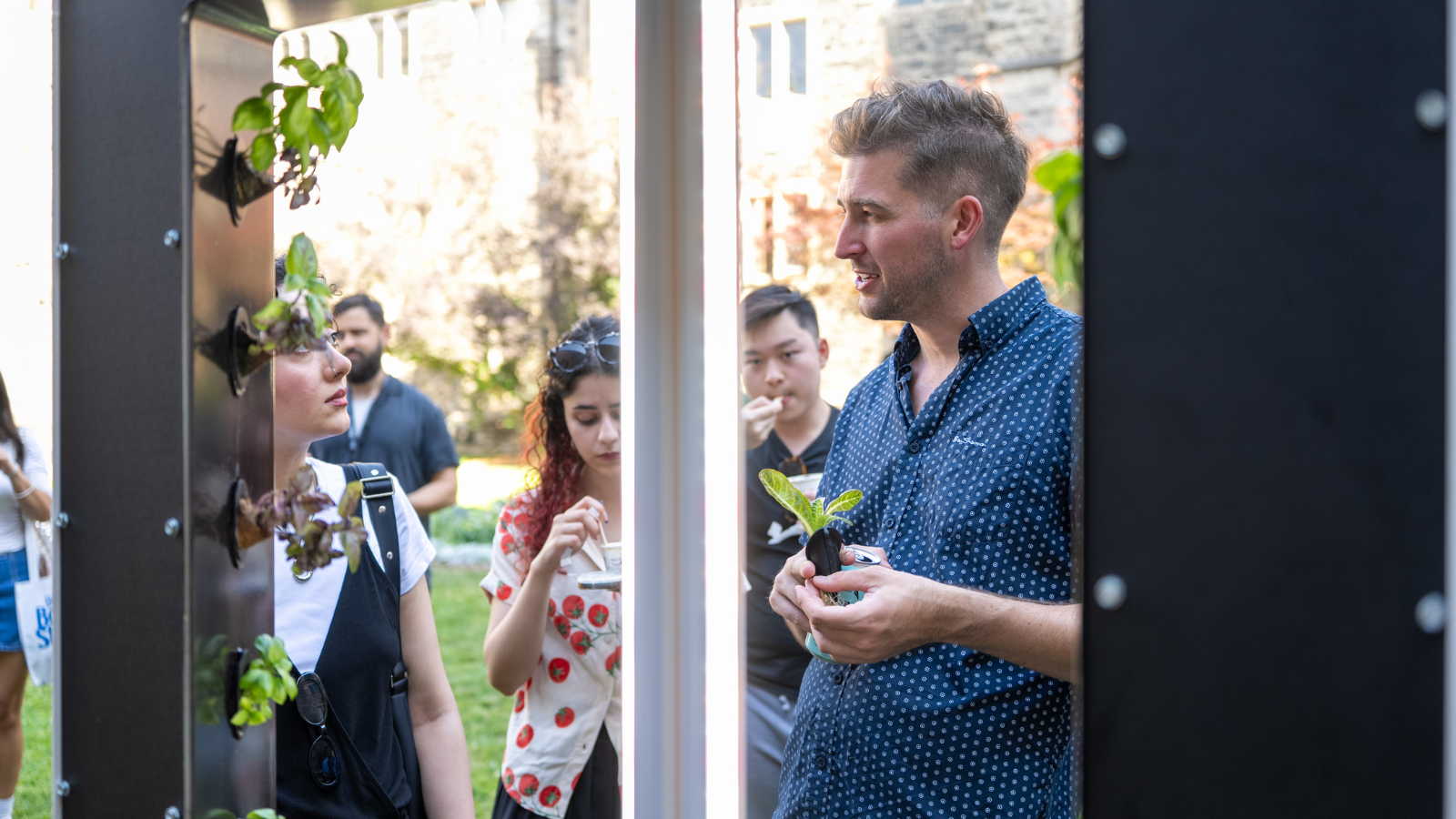
It's like learning to drive on a highway instead of an empty parking lot. Every mistake happens at speed, with real consequences, and there's no room to pull over and figure out what went wrong before the next problem shows up. The farms that skipped the small-scale stage never gave themselves that parking lot to pause, re-evaluate, and plan accordingly.
Building too big too soon is one problem, but that decision usually traces back to something further upstream: how these farms were financed in the first place. Conner argues the two aren't really separate. The financing model shaped the operating decisions, which means the money problem showed up first and the operational strain followed from it. As Tidd puts it:
"A lot of these farms were financed with a SaaS mindset when the reality is, at the end of the day, we're still farming. The ones still standing understand what the return profile actually looks like and how to finance it sustainably."
This one's worth sitting with for a second. Software scales with marginal cost near zero, so investors expect fast, compounding returns. Farming has never worked that way. A crop cycle takes the time it takes. Yield doesn't accelerate because a term sheet says it should.
So what happened? Farms financed against software-style expectations were positioned to disappoint their investors from the beginning. The operational strain that followed, the cut corners and rushed growth targets, was really the financing mismatch working its way through the business. The operations didn't truly fail on their own, but maybe they were set up to fail by a capital structure that didn't match the industry.
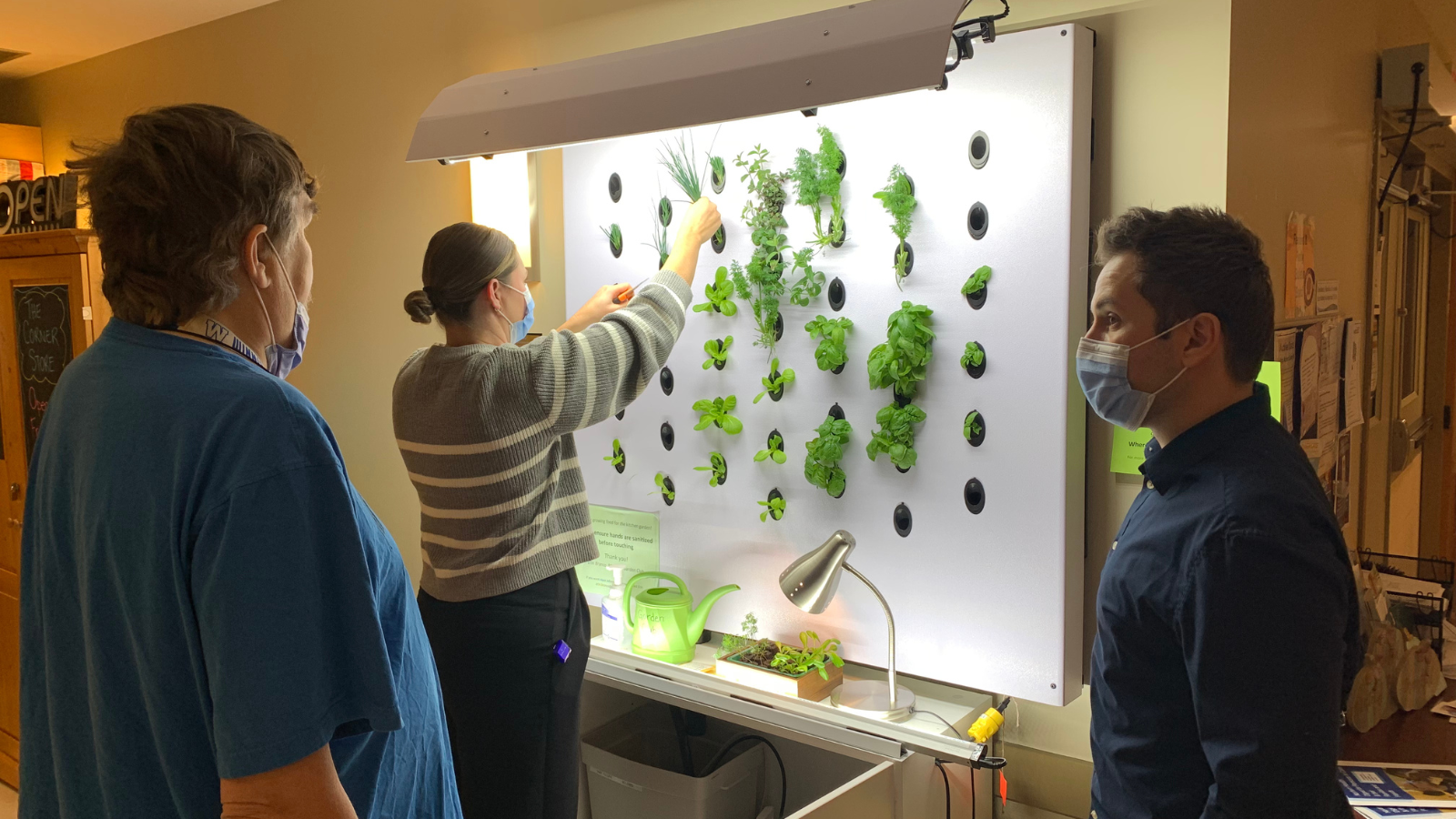
If building too big and financing it wrong explains why so many farms closed, then the natural follow-up must be what the survivors did differently. Conner points to patience with geography. As he puts it:
"It's hard to compete on one product and scale it nationally. It's more important to get it right in your local market first, then evaluate whether you scale that product regionally or add other products to your local mix."
The order here matters. The local market is the testing ground where unit economics either hold up or fall apart. Only after that proof does the operator face the real strategic question: expand the same product outward, or deepen the product mix at home. In Conner's experience, skipping that sequence is where a lot of the failed farms went wrong.
Broken down, the sequence looks like this:

Crop choice mattered for these outcomes, but Conner treats it as part of the local-market proof rather than a standalone cause of failure. If an operator is still testing one product in one market, which he argues they should be, then the crop is one of the variables being tested alongside pricing, labour, and buyer relationships. Understanding crop economics and feasibility is important, but it gets refined during that early stage of development and experimentation and testing.
A difficult crop can certainly make an operation harder to run. But it rarely explains why vertical farms failed all by itself. The farms that struggled generally struggled because they scaled a full operation before the crop, the buyer, and the economics had been proven together at a smaller size.
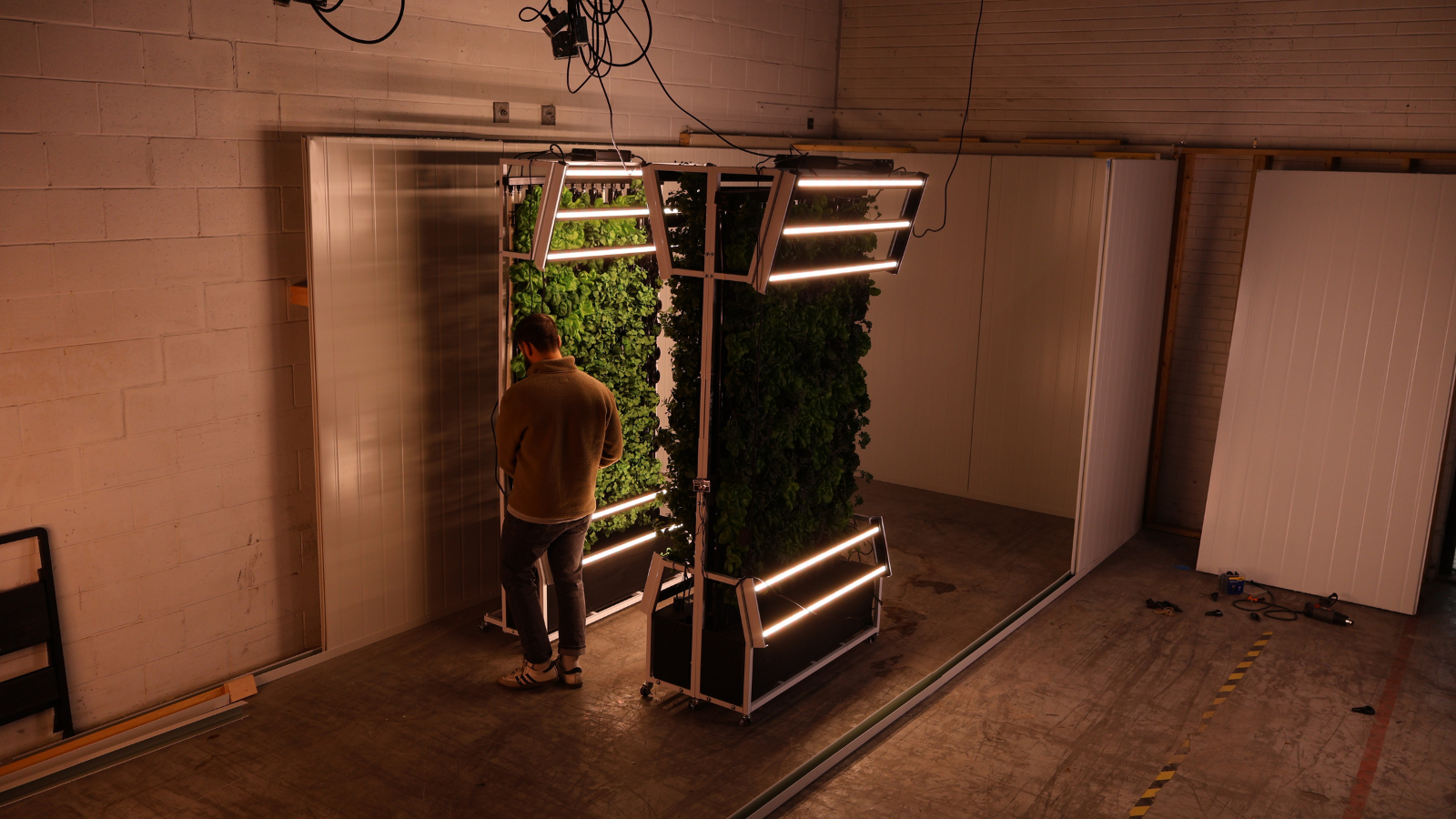
The sales plan. That's Conner's answer, and it surprises most people who expect him to say something about equipment or lighting technology. As Conner Tidd puts it:
"The most important part is getting your production plan done, but more importantly, your sales plan. Know who you're going to sell to, at what price, and how you'll make it profitable."
The order in that sentence carries the point to nail home. Production planning is still important and always will be, but knowing the buyer comes first. A farm that can grow food without knowing who purchases it, and at what price, can be comparable to merely a well-lit garden in a sense, and Tidd would concur as well that it is not completely a business yet.
And this connects back to everything above. A solid sales plan forces an operator to answer the local-market question early, because buyers are specific and local by nature. It also forces honest math about return profiles, since a real price and a real customer finally make the unit economics concrete.
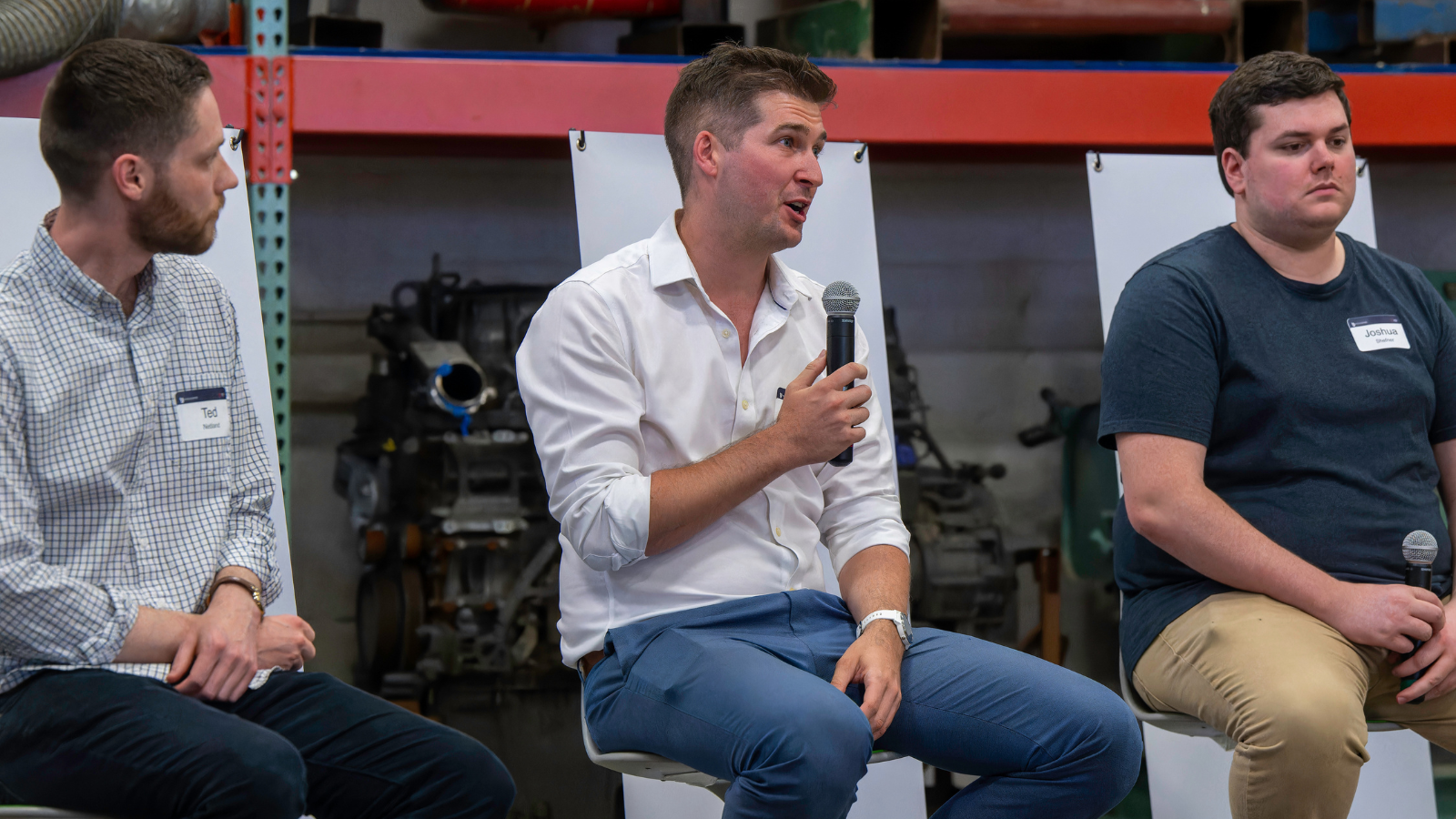
Conner expects the vertical farming industry to keep consolidating around smaller, better-financed operators who've proven themselves locally. Large single-site bets are becoming harder to justify. As capital gets more disciplined, that pattern will likely keep separating the farms that last from the ones that close.
The operators still standing didn't necessarily raise the most money or build the biggest first facility; they treated the business as farming, proved the model at a manageable size, and understood their buyer before scaling. And while this may be a slower path, it's most certainly the one with a proven track record behind it.
For investors and developers evaluating this space, the practical takeaway is straightforward: ask sharper questions about scale and financing, rather than about technology. A grower who can explain their local proof and their return profile is offering something a well-designed facility struggles to achieve all alone.
Related reading: For more on how Just Vertical was built and where the company came from, see our roots.
Most built one or two large farms immediately, paying prototype-level costs with no smaller-scale experience behind them. That left no room to absorb mistakes before those mistakes got expensive at full scale.
Both. Many were financed with software-style return expectations that don't match how farming actually pays back, and that mismatch created operational pressure to grow faster than the farm could handle.
They understand realistic return profiles, finance themselves sustainably, and win their local market before expanding into new regions or new products.
No. The stronger path is proving one product in one local market first, then deciding whether to expand regionally or diversify locally.
A sales plan. Knowing who will buy the product and at what price should come before the production plan is finalized.
Would you rather we reach out to you? Fill out the form to have a member of our team to reach out and discuss your growing goals.


