


Let's Talk
We'd love to hear about your project. Book a time that works for you and we'll take care of the rest.
- Commercial projects
- Education & institutions
- Partnerships & resellers
- General inquiries
We'd love to hear about your project. Book a time that works for you and we'll take care of the rest.

Contents
The US-Canada tariffs food supply chain story hits real grocery categories starting August 19, 2026. On that date, a new 50% tariff on select Canadian goods takes effect under a statute the United States has not used in over 70 years. For grocery buyers, food distributors, and procurement leaders, this is a live cost shock heading straight for dairy, sweeteners, beverages, and packaging.
We think this moment says something bigger than the tariff itself. Traditional food supply chains run on international stability that nobody reading (or writing) this article controls. When that stability breaks, even for one product category, the cost lands on grocers and distributors first, and on shelf prices second.
That is exactly why we believe commercial vertical farming deserves a second look as a risk management tool for grocery and distribution partners. When production happens locally, inside a controlled facility, the exposure to cross-border trade disputes drops close to zero. We will walk through what is actually happening, why it matters beyond this one tariff, and what a tariff-resistant supply model looks like in practice today.
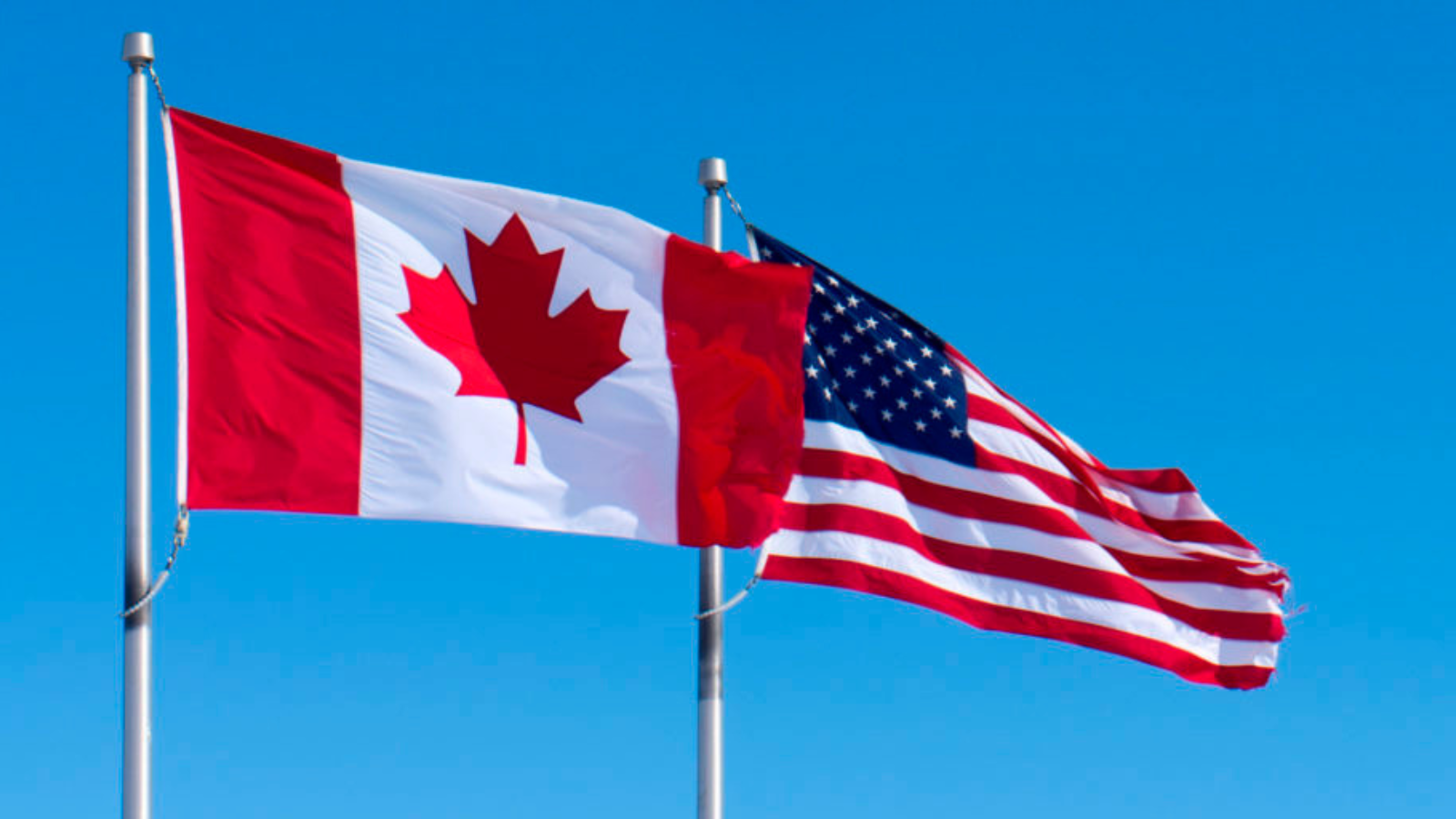
On July 20, 2026, the White House issued three separate proclamations placing a 50% additional tariff on select Canadian goods. The tariff takes effect at 12:01 a.m. EDT on August 19, 2026, and according to White & Case's analysis of the proclamations, it applies to roughly $20 billion in annual imports, about 5% of everything Canada exports to the US.
Here is the detail that should stop procurement teams in their tracks: compliance with USMCA offers no protection. Goods that qualify for duty-free treatment under the trade agreement are still hit by this tariff. In other words, the paperwork that used to guarantee stability no longer does.
For a grocery buyer, this means the assumptions built into last year's contracts may already be outdated. A supplier relationship that priced in USMCA protections has to be renegotiated, and fast.
How Trump's new 50% tariffs could affect the Canadian economy; explained
The three proclamations point to three specific disputes, and none of them are new grievances. As White & Case reports, the administration cited how Canada administers tariff-rate quotas for imported American dairy, how provincial liquor boards restrict the sale of US beer, wine, and spirits, and Canada's own retaliatory tariffs on US automobiles.
These specific disputes have simmered between the two countries for years, so they explain the "why" but not the "how unusual." The tool used to respond is what truly stands out here. As Wiley Rein's alert on the proclamations points out, Section 338 had not been invoked in over 70 years, and its return signals that dormant trade authority can be activated with very little warning.
So, what does that mean practically? It means the toolbox for future trade action is larger than most supply chain teams assumed. If a 70-year-old statute can resurface once, it, or something like it, can resurface again.
This tariff names specific product categories that food companies buy every week. According to Blake, Cassels & Graydon's breakdown of the covered goods, confirmed further by Honigman's client alert, the covered list includes:
Energy, raw potash, fish, and critical minerals are excluded, so the tariff targets a specific slice of the Canadian economy rather than the whole thing. That targeting happens to land squarely on food manufacturing inputs.
Watch this short section to learn more about what this means for importers, and which Canadian products are covered:
50% Canada Tariffs: What Section 338 Means for Importers
Long-distance food supply chains carry a kind of risk that rarely shows up on a balance sheet until it does. They depend on customs processing, currency stability, and trade agreements holding steady over years, not weeks. When one of those pillars shifts, the whole chain absorbs the shock.
Think of it like a bridge built to handle predictable traffic. It works fine every single day, until one truck arrives 50% heavier than the bridge was designed for. Nothing about the bridge changed. The load did.
That is what a 50% tariff does to a supply contract. The product has not changed. The route has not changed. But the cost of getting it across the border just changed overnight, and grocers and distributors are the ones left holding that difference. In addition, currency swings and customs holds already introduce friction long before any tariff enters the picture, which means this trade action is layering onto an already fragile system rather than breaking a stable one.
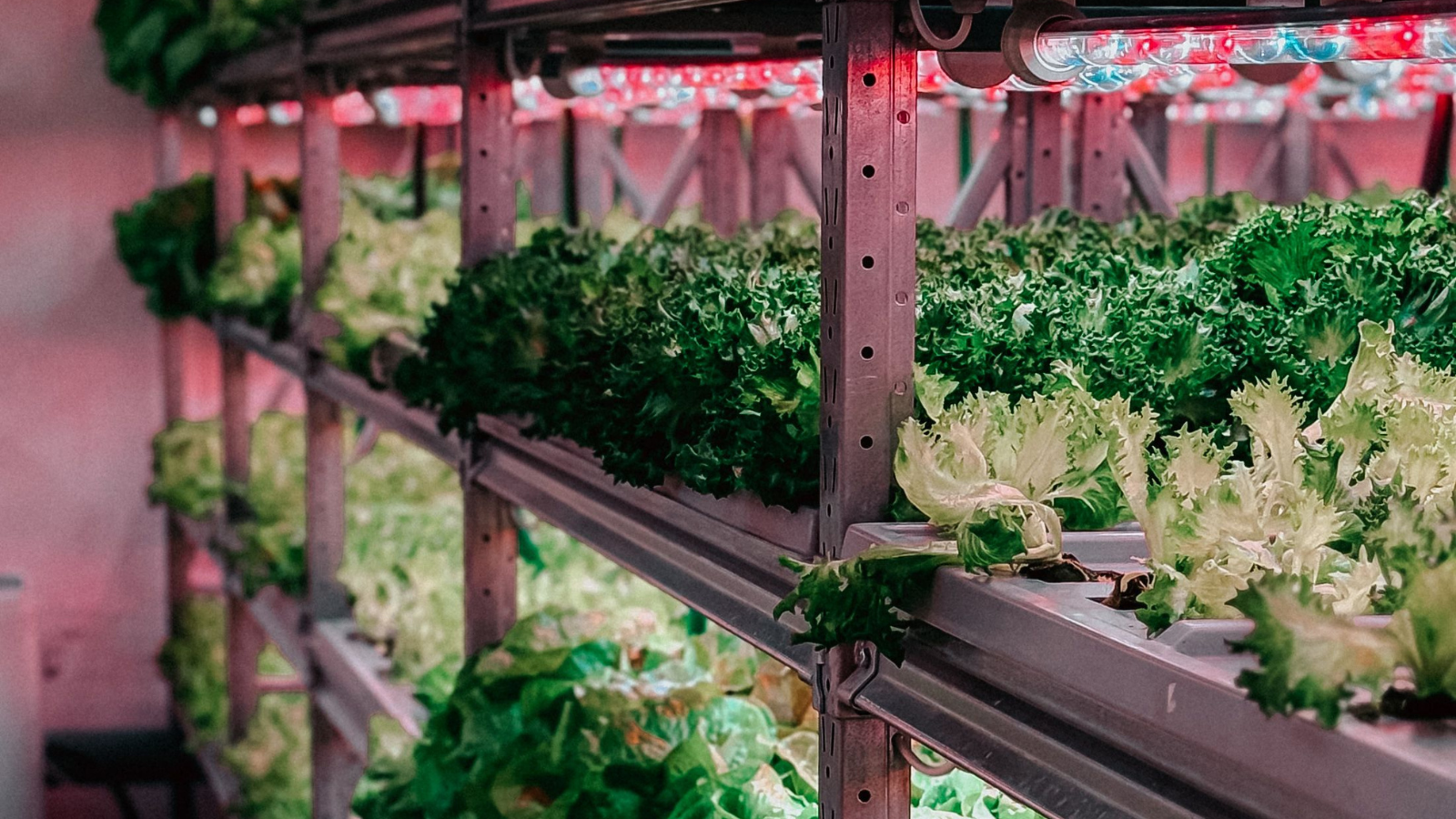
Commercial vertical farming sidesteps this exposure through the structure of the model itself. When produce grows inside a controlled facility close to the point of sale, the entire cost structure depends on inputs a grower actually controls: electricity, water, nutrient dosing, and automation.
Consequently, a tariff dispute between two federal governments has almost nothing to touch. There is no border crossing in the middle of the supply chain, so there is no customs line for a 50% tariff to attach itself to. This is the core of vertical farming supply chain resilience: the risk moves from geopolitical to operational, and operational risk is something a grower can actually manage.
Vertical farming has real limits worth naming honestly. Energy prices still matter, and municipal water rates still apply. Those costs stay local and predictable, though, a world away from an overnight shock like a Section 338 proclamation.
This model already runs at commercial scale. Just Vertical has thousands of consumer and commercial systems already deployed across North America, headquartered in Toronto, meaning the supply this tariff affects already has a local, operating alternative in the market today.
Our commercial setups scale to produce 5,000 to 12,000 kg of fresh produce annually, depending on the modular configuration and crops selected. That range reflects systems already running in real facilities, growing real crops, on a schedule that has nothing to do with international trade negotiations.
We have also seen this model hold up under conditions far more difficult than a trade dispute. In partnership with GlobalMedic, we deployed a 267 square foot hydroponic farm to Rîșcova, Moldova, where it now feeds vulnerable families and refugees year-round, regardless of what is happening at any border. If that model can function as a food security hub during a humanitarian crisis, it can certainly function as a hedge against a tariff schedule.
We hear this question often, and it deserves a direct answer: yes, and it is already happening at commercial scale. Grocery retail buyers do not need to choose between "wait for policy to stabilize" and "do nothing." A third option exists, and it is operating today.
Consider what a localized model actually offers a grocery partner:
We cover the operational side of what this looks like for food service partners specifically on our indoor farming for food services page, including how contracts, delivery cadence, and crop selection typically get structured for commercial buyers.
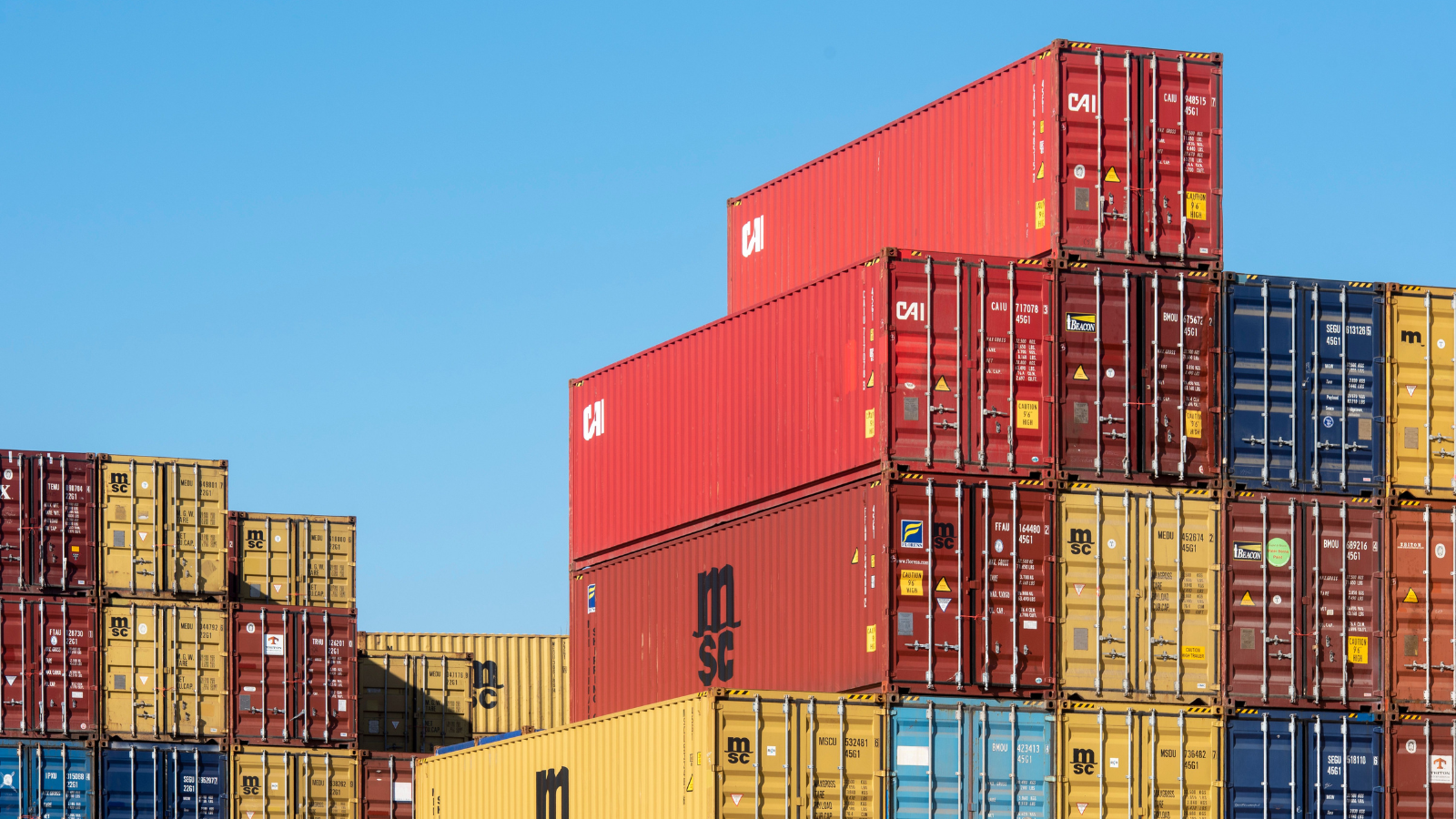
We want to be direct about what this tariff means for grocery buyers. Most categories will feel little to no impact, so an overnight overhaul across the board is not the right response. Any category exposed to cross-border sourcing, especially dairy, sweeteners, and packaging, deserves a hard look at where the next shock might come from.
Here is where we would start:
Trade policy shocks like this one preview how exposed long-distance food supply chains really are. Local, controlled-environment production has become an economic hedge as much as a sustainability story. It protects against the next overnight cost shock, and it is already running in facilities across North America today.
The 50% tariff takes effect at 12:01 a.m. EDT on August 19, 2026. It was authorized through three presidential proclamations issued on July 20, 2026, under Section 338 of the Tariff Act of 1930, a statute the US had not used in more than 70 years.
No. Goods that qualify for duty-free treatment under USMCA are still subject to this tariff. Compliance with the trade agreement does not provide an exemption, which is one of the more significant details for importers to understand before August 19.
The tariff covers dairy derivatives like milk powder and whey, sweeteners such as fructose and glucose syrups, beverages including beer, wine, and spirits, and food-grade packaging materials. Energy, potash, fish, and critical minerals are excluded from the list.
The tariff applies to roughly $20 billion in annual imports, which is about 5% of Canada's total exports to the United States, according to White & Case's analysis of the proclamations.
Vertical farming works best for produce and leafy greens right now, offering a local alternative that never crosses a border. Just Vertical's commercial systems already produce 5,000 to 12,000 kg of fresh produce annually depending on configuration, without exposure to cross-border trade disputes.
Because Section 338 had been dormant for 70 years before this use, its return shows that trade authority can be activated with little warning. That is the deeper lesson for supply chain leaders: this specific tariff will eventually resolve, but the exposure it revealed will not.
Would you rather we reach out to you? Fill out the form to have a member of our team to reach out and discuss your growing goals.


