


Let's Talk
We'd love to hear about your project. Book a time that works for you and we'll take care of the rest.
- Commercial projects
- Education & institutions
- Partnerships & resellers
- General inquiries
We'd love to hear about your project. Book a time that works for you and we'll take care of the rest.
Contents
What is hydroponics actually used for in schools? Nothing close to one single thing. A science teacher, a nutrition director, and a career and technical education lead could each point to the exact same grow tower and describe a completely different program, and none of them would be wrong. That flexibility is the story behind hydroponics in schools; it is one piece of equipment that bends to whatever a school needs most, whether that is better science data, fresher cafeteria food, a career pipeline, or a hands-on food security lesson.
We have watched hydroponics in schools play out this way firsthand at Just Vertical, from a cluster of grow towers on a university campus to a two-story container farm training the next wave of AgTech workers. So before you decide whether it fits your school, it helps to see all five ways it actually gets used, in plain terms, with the numbers behind each one. Consider this your map. Once you know which use case matches your goal, sizing the investment gets a lot easier, and that is exactly where we will aim to end up by the last section.
At its core, hydroponics in schools means growing plants in a nutrient-rich water solution instead of soil, usually inside a compact system that fits a classroom corner, a media center, or a converted closet. Simple enough. However, the same setup gets pointed at wildly different goals depending on who is asking for it.
Think of it less like a single product and more like a lab bench. The equipment barely changes from school to school. What changes is the experiment running on top of it. An elementary teacher might use a small tower to teach the water cycle. A high school CTE director might use a nearly identical unit to train students in Controlled Environment Agriculture, the industry term for indoor farming with automated climate and light control. Same bench, completely different lesson plan.
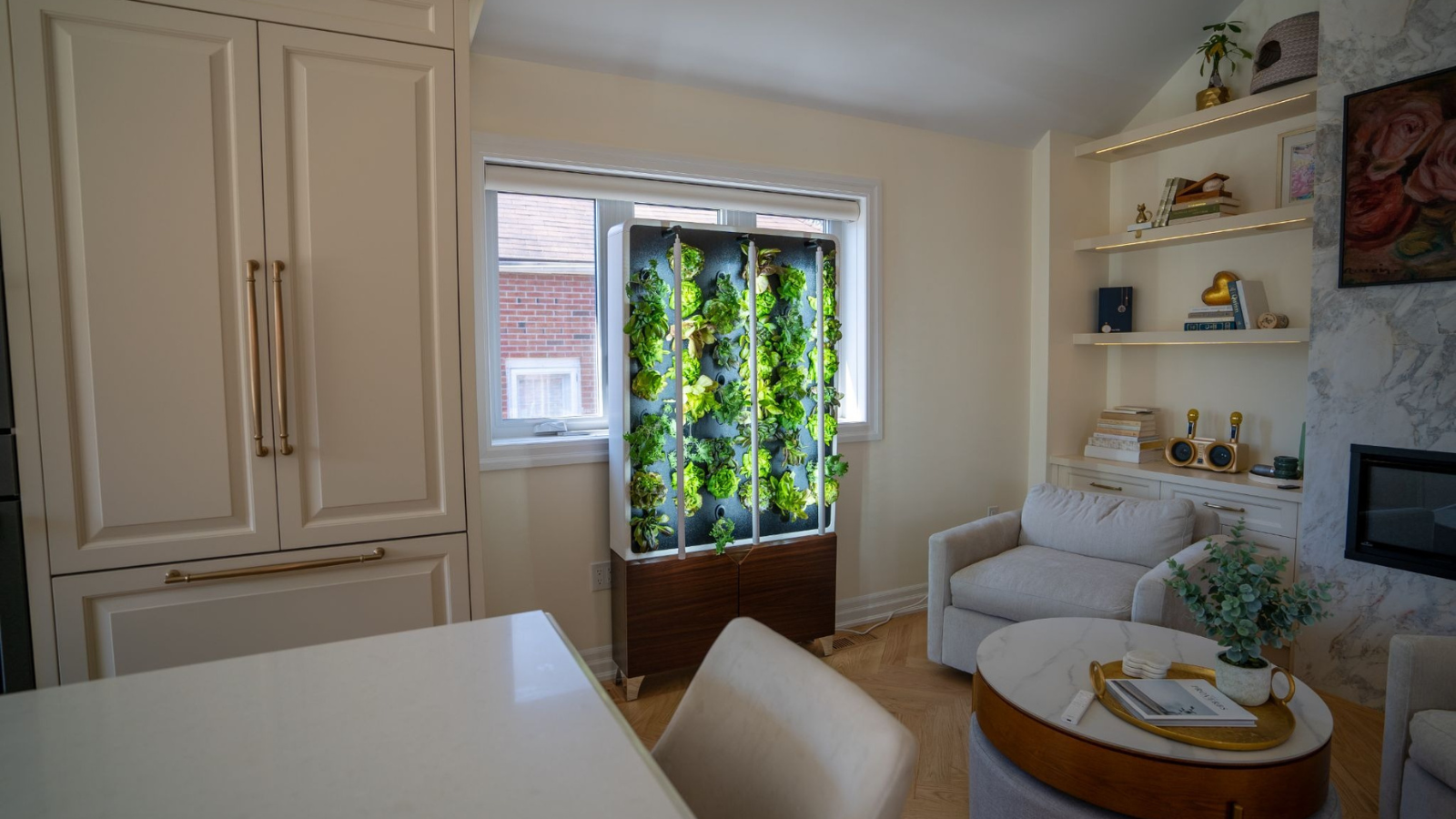
Below, we walk through the five most common real-world applications we see in classrooms and campuses today. Each one solves a different problem, so read them with your own school's priority in mind, not as five boxes you need to check all at once.
Ask any science teacher what is hardest to teach well, and data collection usually comes up fast. Hydroponics in schools solves that almost by accident. Instead of reading about pH or exponential growth in a textbook, students track both in real time on a plant they are personally responsible for.
The research backs this up. In a published survey on school hydroponic greenhouses, teachers combined plant biology with mathematical modeling, having students log growth rates, pH levels, and light intensity as ongoing data sets instead of one-off measurements. NASA has taken the idea even further through its Growing Beyond Earth program, where over 400 middle and high school classrooms run controlled hydroponic crop trials and send their plant data to NASA scientists, who use it to help choose crops for future space missions.
This same research mindset is already showing up in ordinary classrooms, not just national programs. Teachers are turning a single grow tower into a running experiment that lasts an entire term, not a one-week science fair project. Students take on real responsibilities: measuring pH twice a week, adjusting nutrient levels, and charting how changes in light exposure affect growth speed. That routine turns one unit into weeks of usable data, the kind a class can graph, compare, and argue over instead of just observing once and moving on.
It also changes how the lesson holds up over time. A grow tower left running through a semester keeps generating new numbers every week, so a teacher can return to the same core lesson three or four times with fresh data instead of repeating a static example. Watch how one Denver classroom turned a single grow wall into a semester-long science project students still bring up months later.
How a hydroponic farm grows food and minds in a Denver classroom
A controlled trial published in Frontiers in Public Health found that students in hands-on hydroponic programs showed measurably stronger scientific inquiry skills and spatial reasoning than students in a standard classroom setup. For any science department chasing better engagement, that is a hard number to ignore.
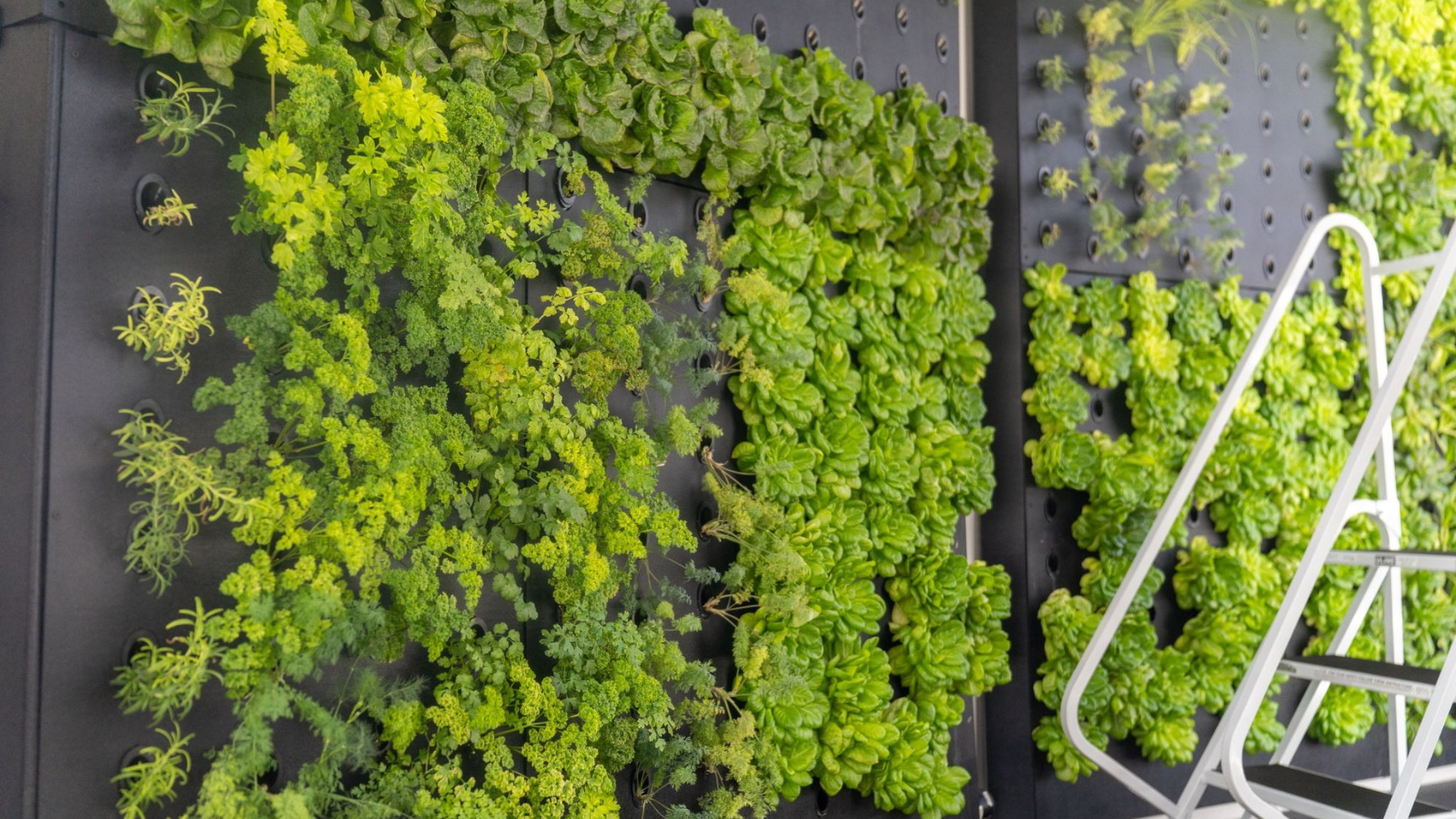
Here is the use case that wins over a budget committee fastest. A single modular unit, as small as 9 square feet, can produce over 390 to 400 pounds of fresh produce per year at under $1.00 per pound, according to data from Fork Farms on school nutrition programs. That is a real dent in production costs, without using a single delivery truck.
The nutritional payoff runs just as deep as the cost savings. A study published through the Journal of Behavior and Feeding found that over 75% of elementary students surveyed before a school garden program incorrectly believed fresh produce was not seasonal and was simply available year-round in nature. After growing their own classroom food, willingness to try fresh greens rose by more than 68% among the same students. Put simply, growing the food changed what kids were willing to put on their plate, not just what they knew about it.
At Seneca Polytechnic's Newnham Campus, our two-story retrofitted shipping container farm puts this into daily practice. The ground floor grows herbs, leafy greens, tomatoes, and strawberries that go straight into campus dining and into food security initiatives like First Peoples@Seneca, so the produce reaches a plate the same week it is harvested.
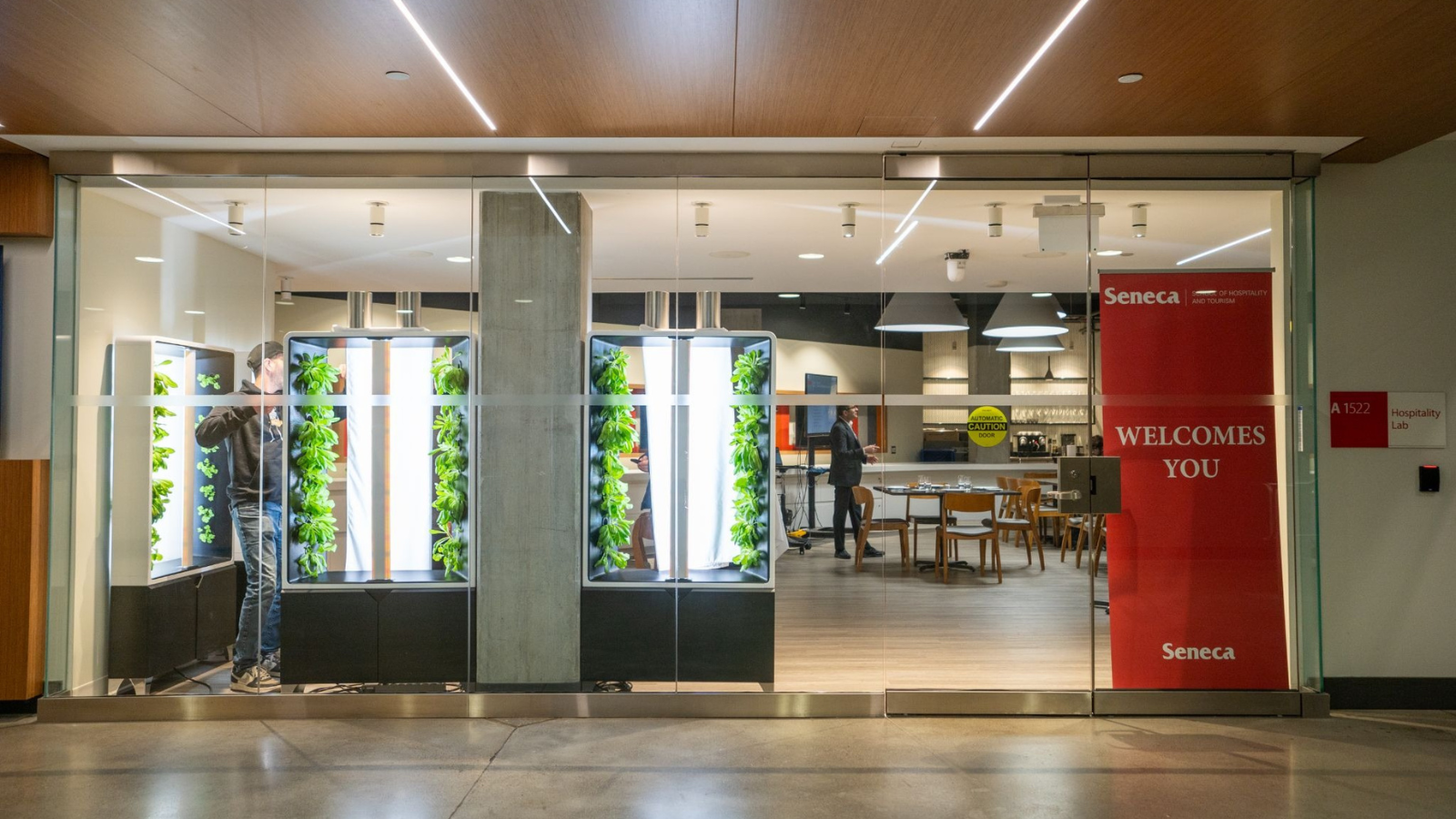
Teachers in other classrooms are already seeing this same shift firsthand:
Sustainability is easy to talk about and hard to accurately show to a class with younger students. Hydroponics in schools closes that gap, because a closed-loop system recirculates water instead of losing it to soil absorption or evaporation, and the difference is large enough to build an entire unit around.
Put the numbers side by side and the case makes itself:
That land savings figure turns into a hands-on lesson in urban density and vertical space optimization, ideas that are otherwise difficult to demonstrate inside four walls. Beyond water and land, a hydroponic classroom also teaches zero-pesticide, zero-runoff agriculture directly. Students see for themselves how a closed loop prevents the agricultural runoff that causes freshwater algal blooms, rather than only reading about it in a diagram.
Here is a number worth any CTE director's attention. Agricultural students make up only about 1% of college enrollees, yet there are twice as many AgTech job openings as qualified graduates to fill them, according to a joint USDA and Purdue University employment study. That gap will not close on its own, so schools building hydroponic CTE programs now are training students directly into jobs that already exist.
The workforce data backs up the urgency. Nearly 59% of agricultural technology and modern farming companies report active plans to expand their workforce, according to an AgCareers.com workforce report, with the strongest demand centered on automated systems, Controlled Environment Agriculture, sensor calibration, and nutrient management. The National FFA Organization notes that agriculture and AgTech together support over 23 million jobs, or roughly 17% of the civilian workforce, which makes this one of the largest career pipelines a CTE program can plug directly into.
This is where hydroponics in schools shifts from being closer to a science exhibit and starts being job training. Our Seneca Polytechnic container farm shows what this theory looks like in practice. On the upper level, students run an active research and development lab, testing seedling germination and integrating solar and renewable energy systems into the farm's daily operations. On the ground floor, students test light spectra and plant nutrients to optimize what our team calls "crop recipes," aiming for faster growth and higher nutritional density than store-bought produce. That is not a simulation of a job. It is the same applied work a CEA operations technician does for a living.
Hydroponics in schools does more than teach science and careers. It also teaches food security in a way that reaches past the classroom door. Students who actively grow their own crops show measurable increases in fruit and vegetable intake and stronger resistance to heavily processed foods, according to research published through PMC and Frontiers in Public Health. In areas where fresh produce is scarce or expensive, sometimes called food deserts, some districts use classroom hydroponics specifically so students can harvest food to take home to their own families or donate to a local pantry.
A Journal of Behavior and feeding survey of K-12 students engaged in school hydroponic projects found that 84% of participants came away with a clearer understanding of food security, along with a stronger grasp of why daily vegetable consumption matters for their health.
This is exactly the model behind our own humanitarian deployment in Rîșcova, Moldova, built in partnership with the disaster-relief organization GlobalMedic. That 267 square foot indoor hydroponic farm now runs as a year-round food security hub for local vulnerable families and Ukrainian refugees fleeing conflict, proving that the same technology sitting in a Toronto classroom can support an entire community's food access on the other side of the world.
By now you have seen five different reasons schools bring hydroponics in, and that variety is exactly why hydroponics in schools resists a one-size-fits-all answer. Here is the honest truth: most schools do not pick one on paper. They pick one because it already matches a problem they have. So instead of a checklist, here is how that usually shows up.
If your science department keeps saying students understand concepts in theory but cannot connect them to anything real, that is your first sign. A grow tower gives students a live data source, and once they are logging their own pH readings, the textbook chapter suddenly has a face.
If your nutrition director wants more kids eating something green at lunch, that points toward the cafeteria model instead. The Seneca Newnham farm did not start as a science project. It started because someone needed fresh produce on a plate.
If your environmental science teacher keeps reaching for water conservation examples that students cannot actually see happening, that points toward the sustainability model. A closed-loop system turns an abstract idea like reduced water use into something a student can watch happen over a semester, not just read about in a diagram.
If you are a CTE lead watching the AgTech job market grow faster than your enrollment, that signals the career pathway model, where students train on the same equipment they will use on the job.
And if your district is already dealing with food access gaps, whether that is a food desert nearby or families who need extra support, that points toward the food security model, the same one behind our humanitarian farm in Rîșcova, Moldova.
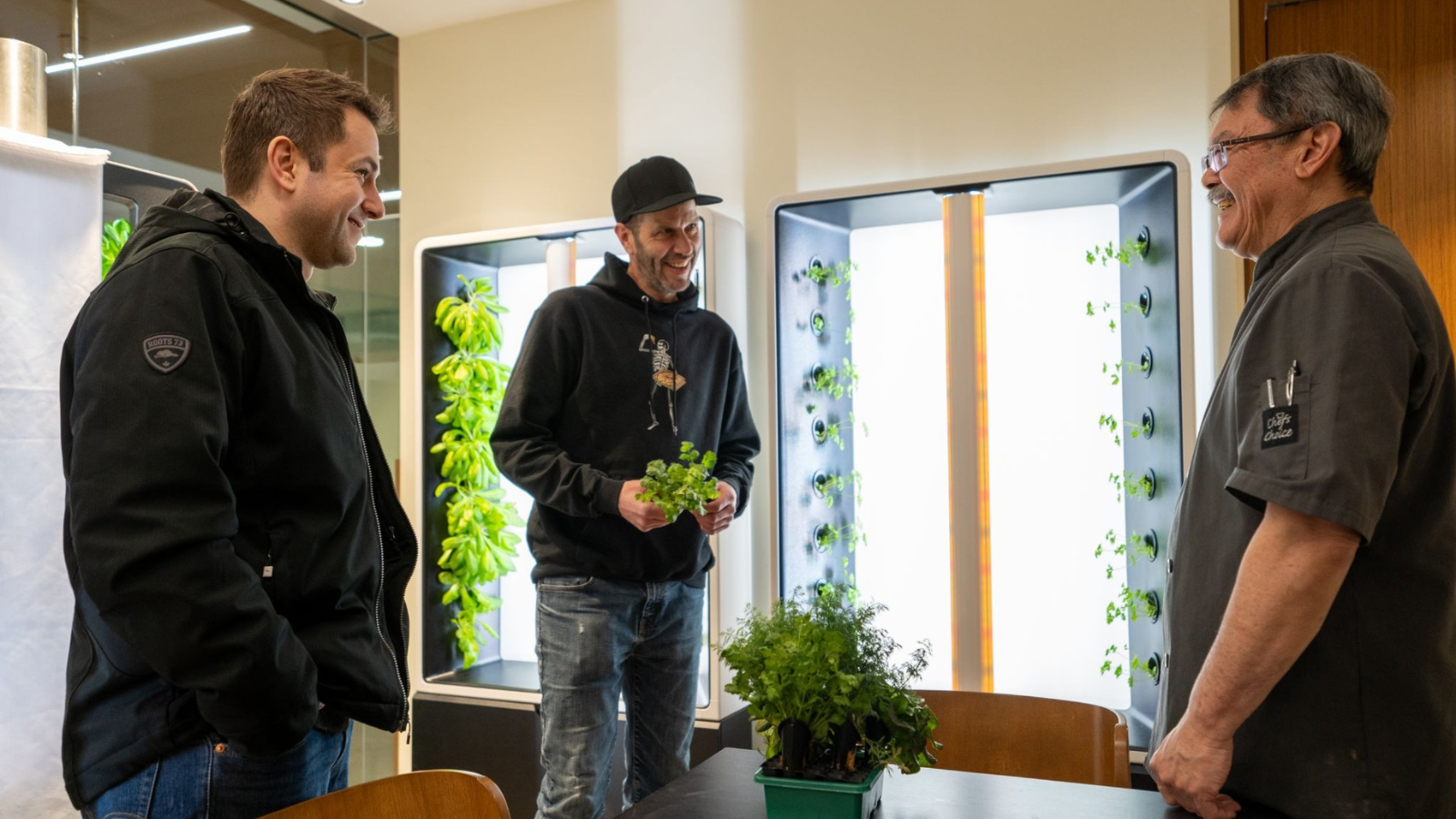
Space and budget are rarely the real dealbreaker people assume. A single modular unit fits in as little as 3 to 9 square feet, small enough for a classroom corner, while a container farm runs 320 square feet or more. Classroom starter units range from $500 to $3,000, and full container systems run $10,000 to $50,000 or more, though over 70% of school programs cover that cost through non-budget sources like USDA Farm to School Grants and local foundations. Weekly maintenance stays light too, usually 15 to 30 minutes checking pH and topping off water.
So rather than asking "can we afford this," ask "which problem are we solving." The size, budget, and staffing tend to sort themselves out once you know that answer.
If one or two of the five use cases above sound like your school, the next step with hydroponics in schools is simple. Figure out which specific goal you are solving for, then size your investment to match it. A single classroom grow tower solves a very different problem than a two-story container farm, and neither one is automatically the right place to start.
We go deeper into the technology itself on our indoor farming for education page, and our Seneca Polytechnic case study walks through exactly how one campus scaled from a single research farm into a full food security and career training program. We are also preparing a dedicated piece on the real cost and funding picture for school hydroponics, since that question deserves its own full answer rather than a quick summary here.
Whichever use case you land on, you are not guessing anymore. You know what a grow tower can teach, what it can feed, and what it can train students for, and that is enough to walk into the next budget meeting with a clear answer instead of an open question.
Is hydroponics in schools expensive to start?
Not necessarily. Classroom starter units typically cost between $500 and $3,000, and over 70% of school programs use non-budget funding sources like USDA Farm to School Grants, Title I funding, and STEM grants to cover the cost, so the sticker price is rarely the full picture.
How much space does a school hydroponic system need?
It depends on your goal. A modular classroom unit needs as little as 3 to 9 square feet, while a dedicated container farm or converted classroom spans 320 square feet or more. Just Vertical's own commercial container systems start at a 160 square foot baseline.
Does hydroponics in schools require a lot of staff time?
No. Most systems need only 15 to 30 minutes of routine care each week, mainly checking pH and nutrient levels and topping off water, so a single teacher can manage it within a normal class period.
What grade levels work best for school hydroponics?
All of them, but the use case shifts. Elementary programs tend to focus on food literacy and simple science demonstrations, while high school programs lean toward CTE and AgTech career training, as seen in our Seneca Polytechnic container farm.
Can hydroponics really help with food security, not just science class?
Yes. In food desert areas, some districts use classroom hydroponics so students can take harvested food home to their families or donate it locally. Our own humanitarian farm in Rîșcova, Moldova, applies this same model at a community scale.
Let's Have A Conversation.Want to learn how an indoor growing system would be perfect for your space? Or maybe you just want to pick our brains on your plans to grow vertically? We're here to help! |
Would you rather we reach out to you? Fill out the form to have a member of our team to reach out and discuss your growing goals.


